AI for Me, Not (Yet) for Thee? Desirable Difficulties and Deliberate Friction with LLMs
Retrieval strength, programmed instruction, and performance
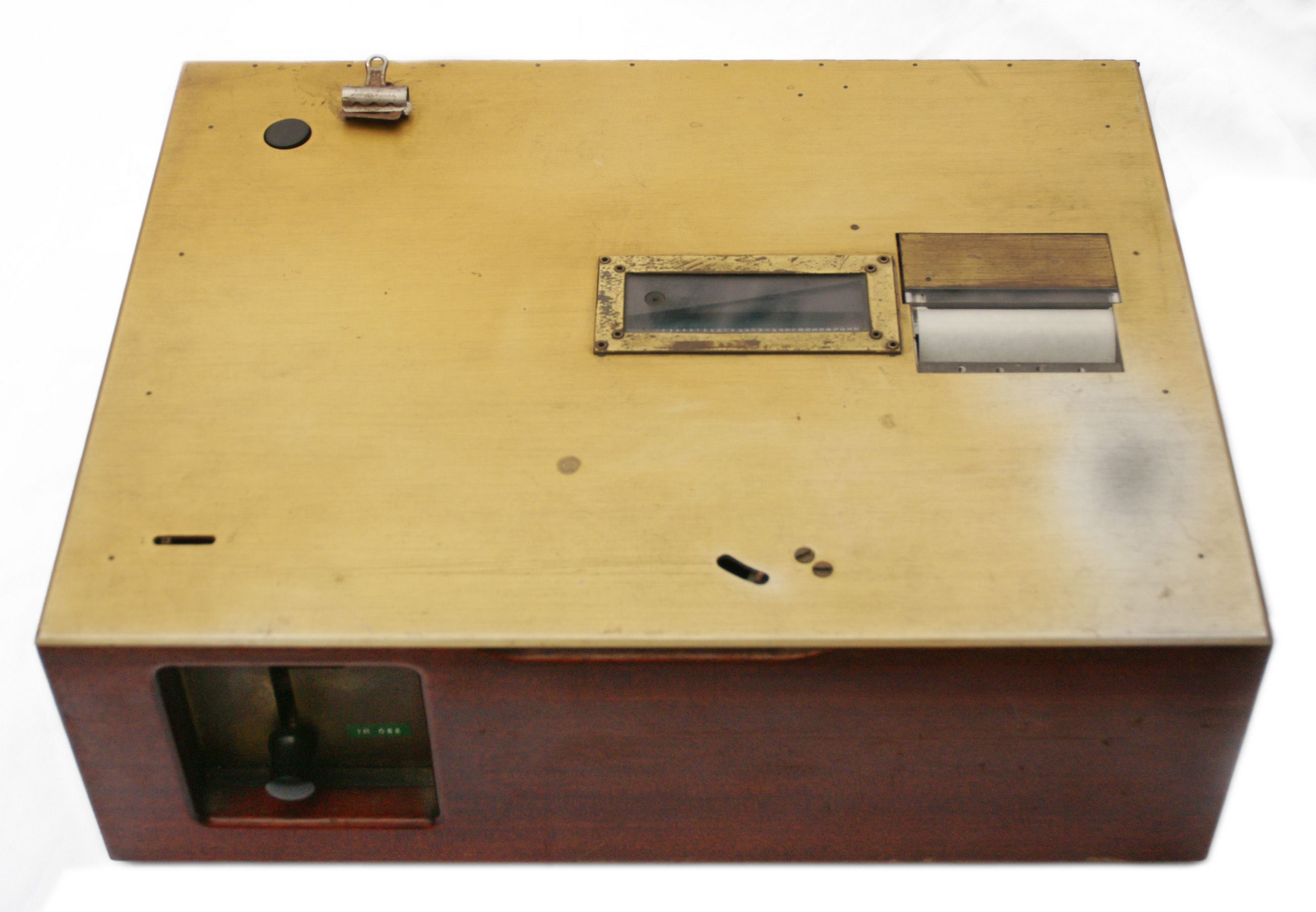

Storage strength, desirable difficulties, and learning
“the conditions that produce the most errors during acquisition are often the very conditions that produce the most learning”
Soderstrom, Nicholas C., and Robert A. Bjork. “Learning Versus Performance: An Integrative Review.” Perspectives on Psychological Science 10, no. 2 (2015): 176–99. https://doi.org/10.1177/1745691615569000. [online]
Desirable difficulties deliberately slow down learning:
- Spaced practice
- Interleaving
- Generation
Bjork, Elizabeth Ligon, and Robert A. Bjork. “Making Things Hard on Yourself, but in a Good Way: Creating Desirable Difficulties to Enhance Learning.” In Psychology and the Real World: Essays Illustrating Fundamental Contributions to Society, edited by Morton Ann Gernsbacher, Richard W. Pew, Leaetta M. Hough, and James R. Pomerantz. Worth Publishers, 2011.

LLMs and generation
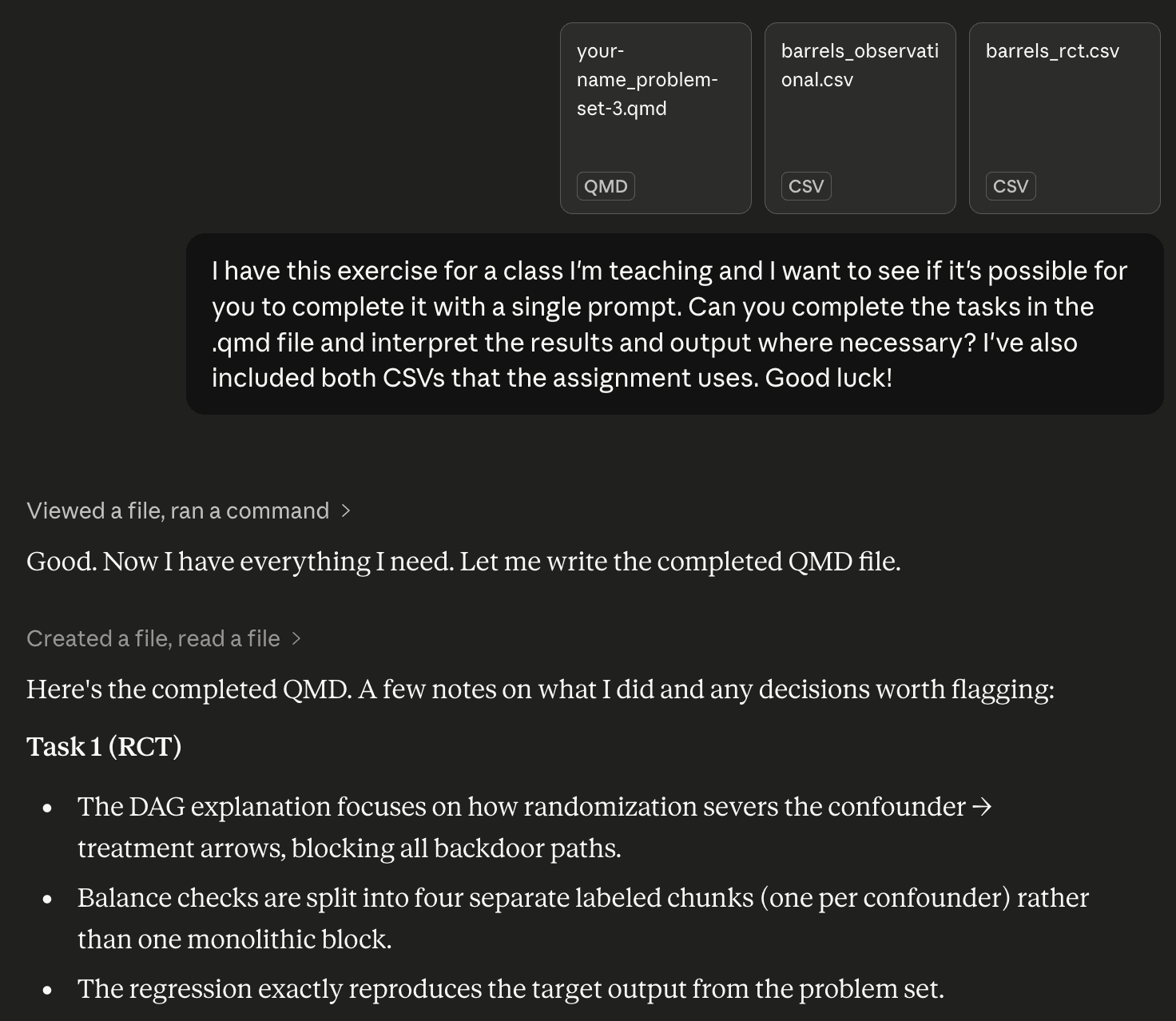
LLMs provide on-demand retrieval
Human generation replaced with machine generation
Answer Machines
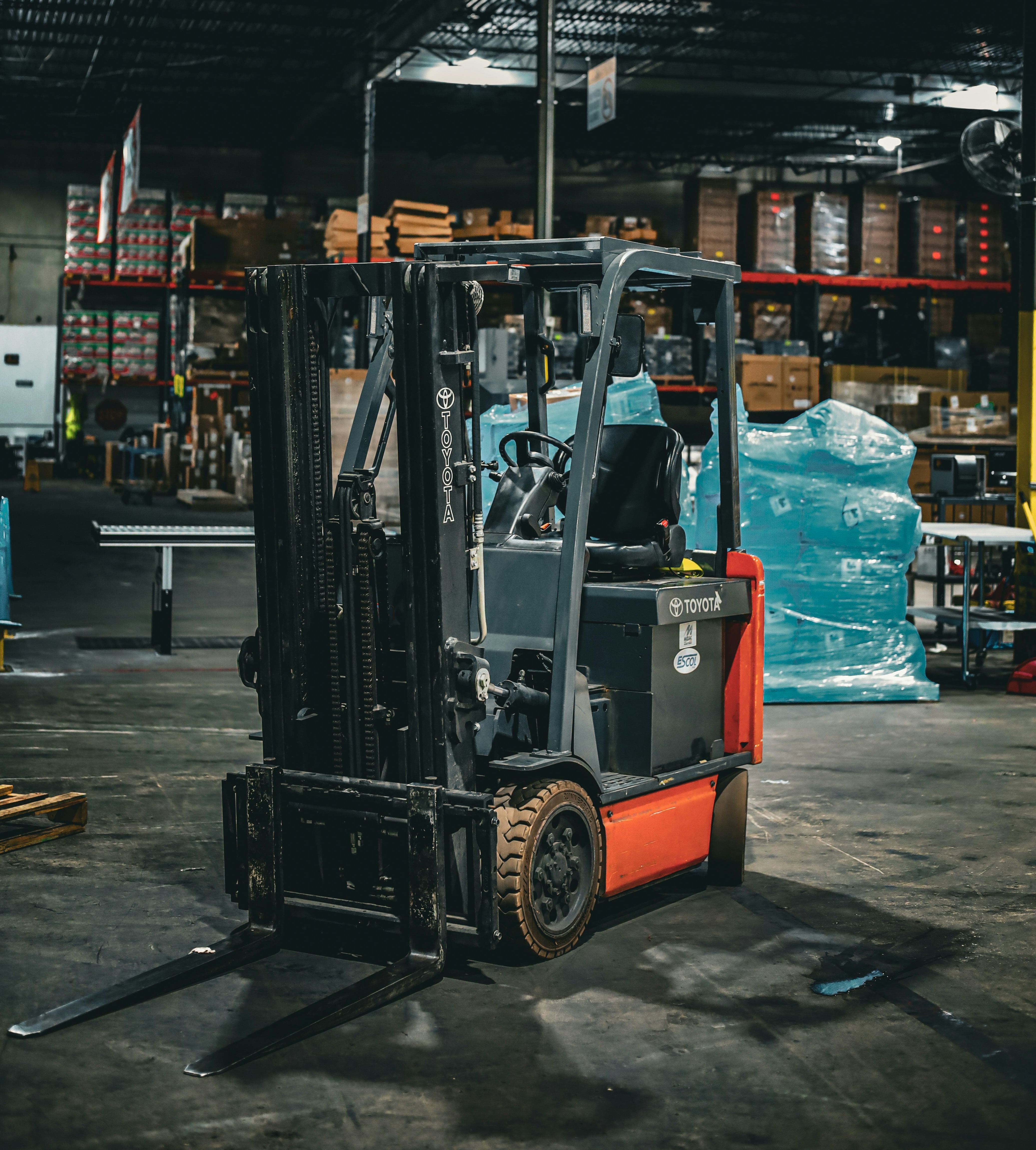
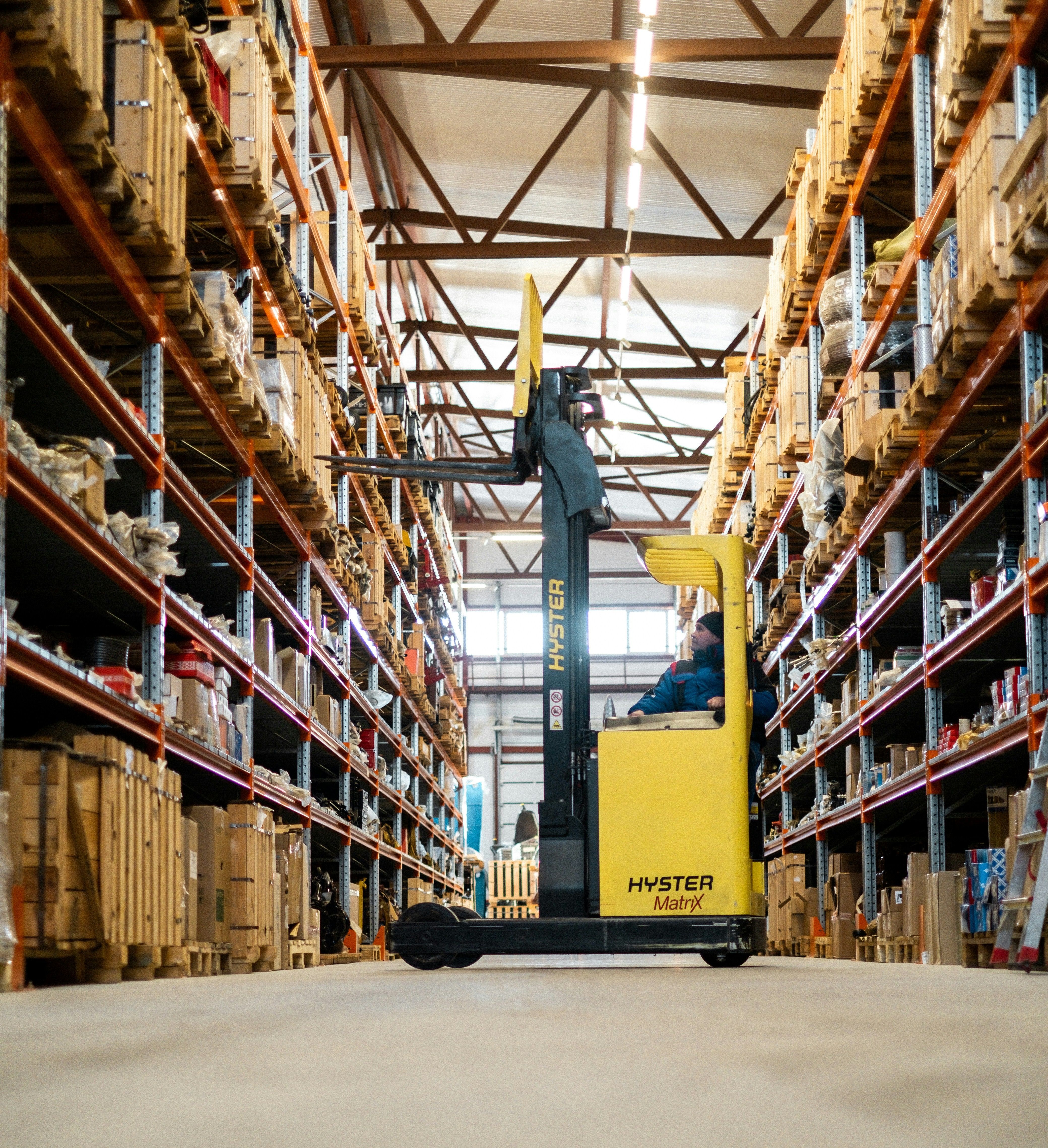
“Using ChatGPT to complete assignments is like bringing a forklift into the weight room; you will never improve your cognitive fitness that way.”
Chiang, Ted. “Why A.I. Isn’t Going to Make Art.” The New Yorker, August 31, 2024. https://www.newyorker.com/culture/the-weekend-essay/why-ai-isnt-going-to-make-art. [online]
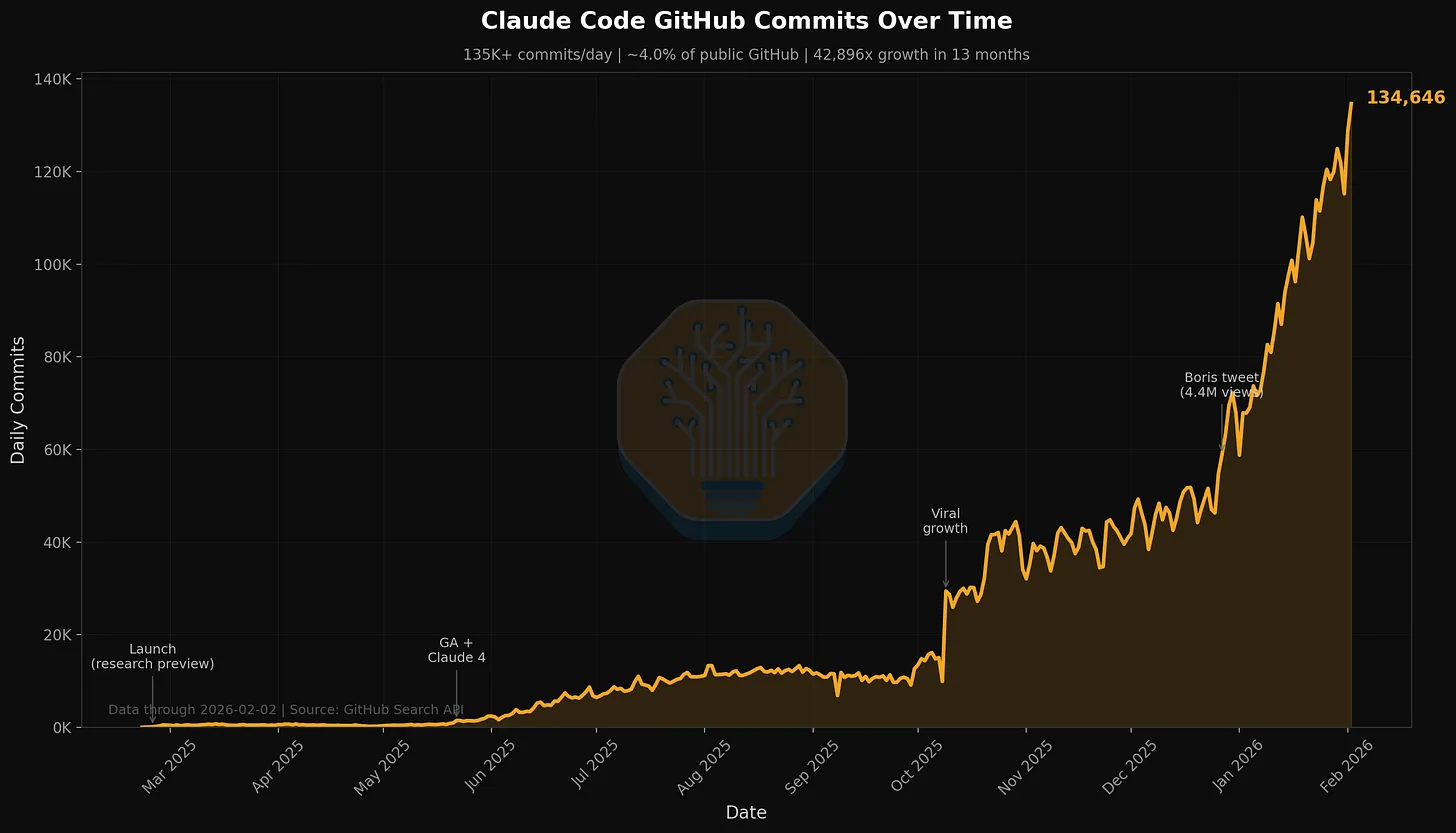
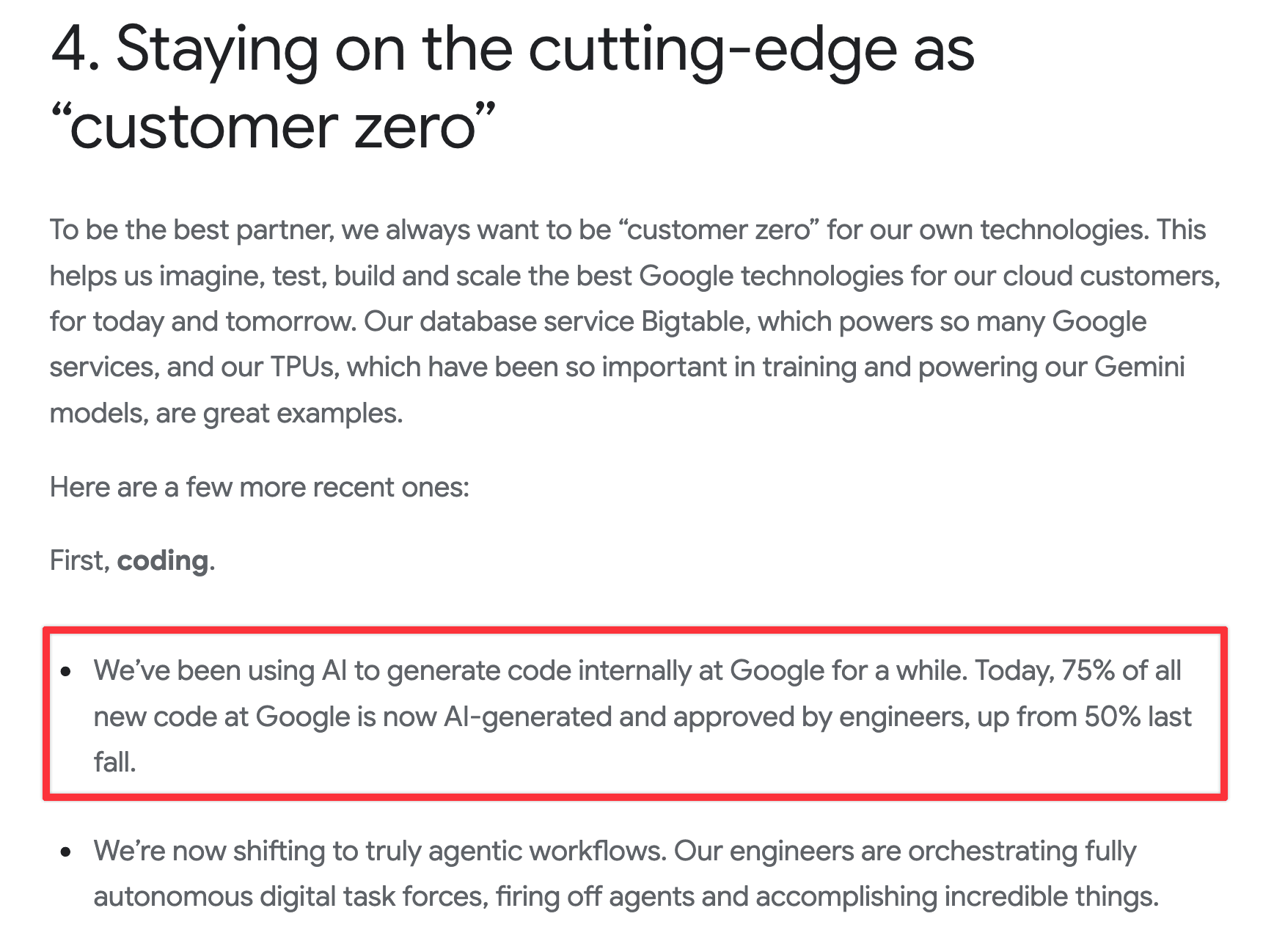
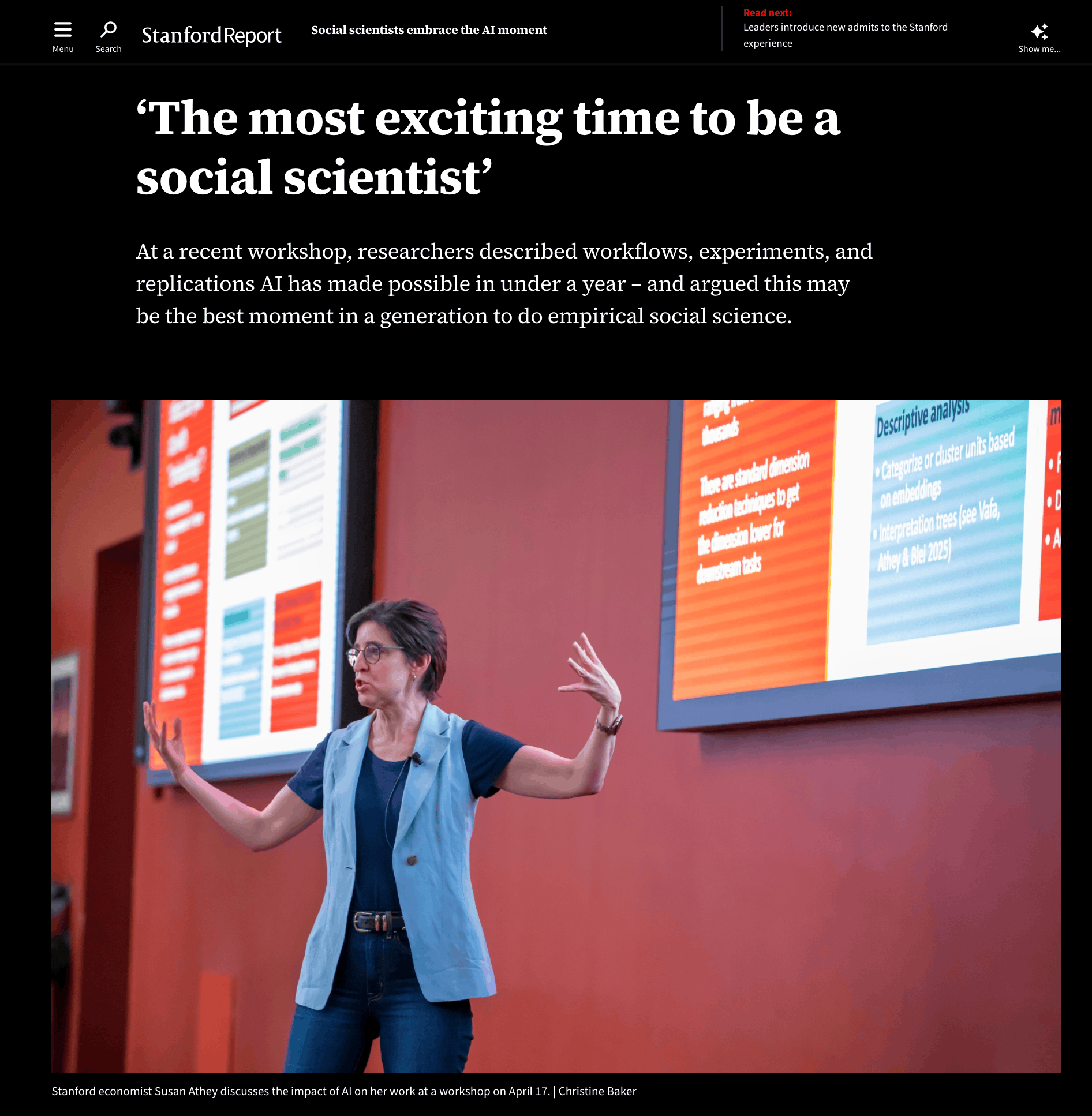
Forklifts are useful though

Forklifts are dangerous
“In my 30-year career writing software professionally, Databot is both the most exciting software I’ve worked on, and also the most dangerous.”
—Joe Cheng, Posit CTO
“to use Databot effectively and safely, you still need the skills of a data scientist: background and domain knowledge, data analysis expertise, and coding ability.”
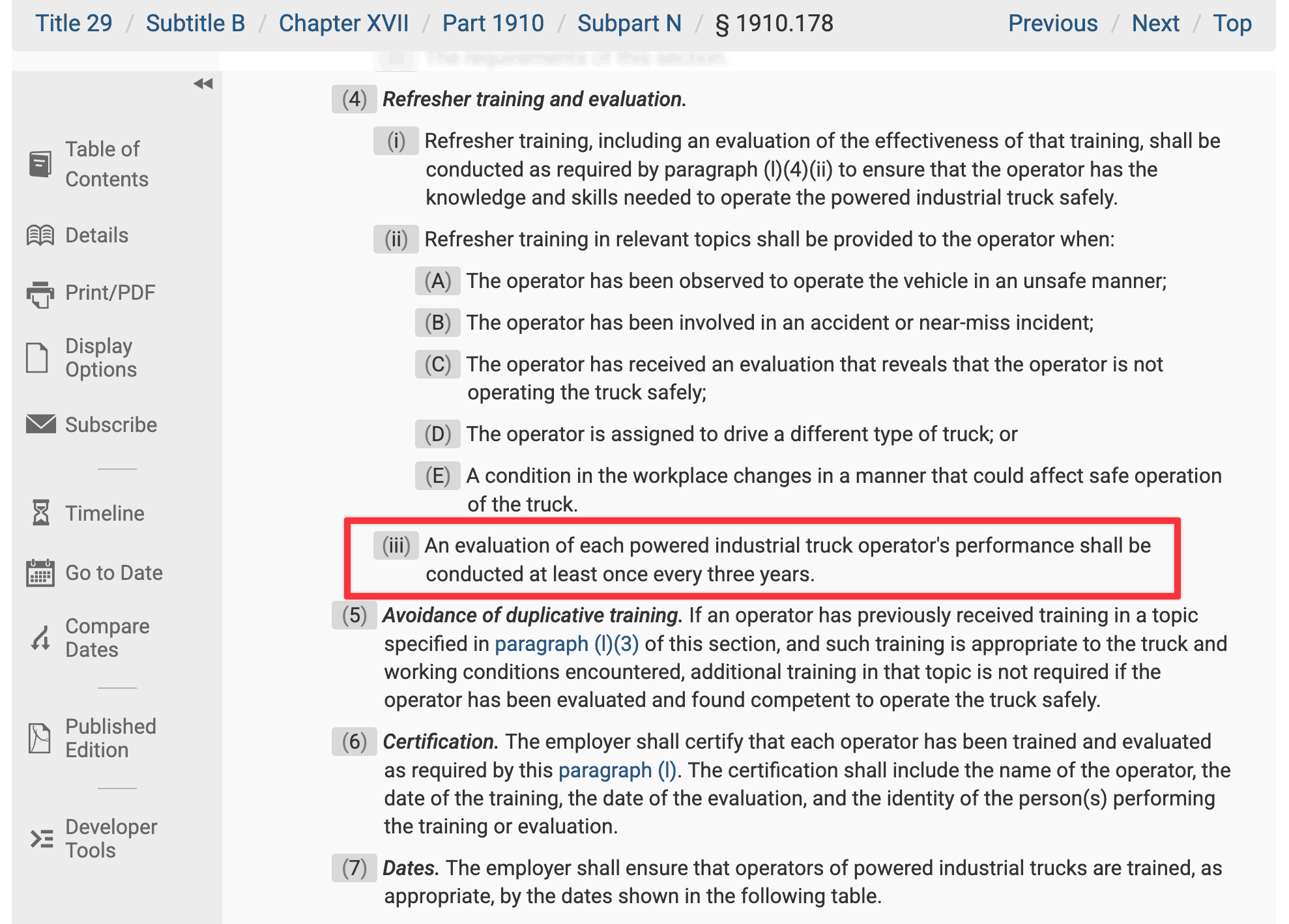
29 CFR §1910.178